To drink more water without thinking about it, attach a glass of water to something you already do on repeat: the first coffee of the morning, the login screen, the walk to the car, the start of lunch. When the water rides along with an existing routine, you stop making a daily decision and start reaching for the bottle on autopilot.
The trick is not willpower. It is cues. Thirst is a lagging signal, so waiting to feel thirsty is waiting too long, and remembering to drink is the part everybody fails at. Put the water where you will see it, then bind it to a habit you already have. Most people who try this report that the first week feels deliberate and the second week feels invisible.
This guide covers the small set of things worth setting up, six habits that carry most of the weight, and the handful of approaches that quietly backfire. It is general information, not personal medical advice, so if you have a medical condition, a fluid restriction, or questions about your own needs, ask a doctor or registered dietitian.
Table of Contents
- What You Need
- Step-by-Step: Build a Water-Drinking Routine
- Keep Water in Sight
- Pair Drinking With Existing Habits
- Make Water the Easiest Choice
- Use Gentle Environmental Reminders
- Add Fluids Across Meals and Breaks
- Adjust the Habit to Your Life
- Common Mistakes and Simple Fixes
- How to know if you are drinking enough
- Frequently Asked Questions
- How often should I drink water during the day?
- What if I do not like the taste of plain water?
- Do drinks such as tea, coffee, or flavored water count toward hydration?
- How can I remember to drink water when I am busy or traveling?
- Can I drink too much water if I am trying to increase my intake?
- When should I ask a healthcare professional about hydration?
- Start With One Visible Cue
What You Need
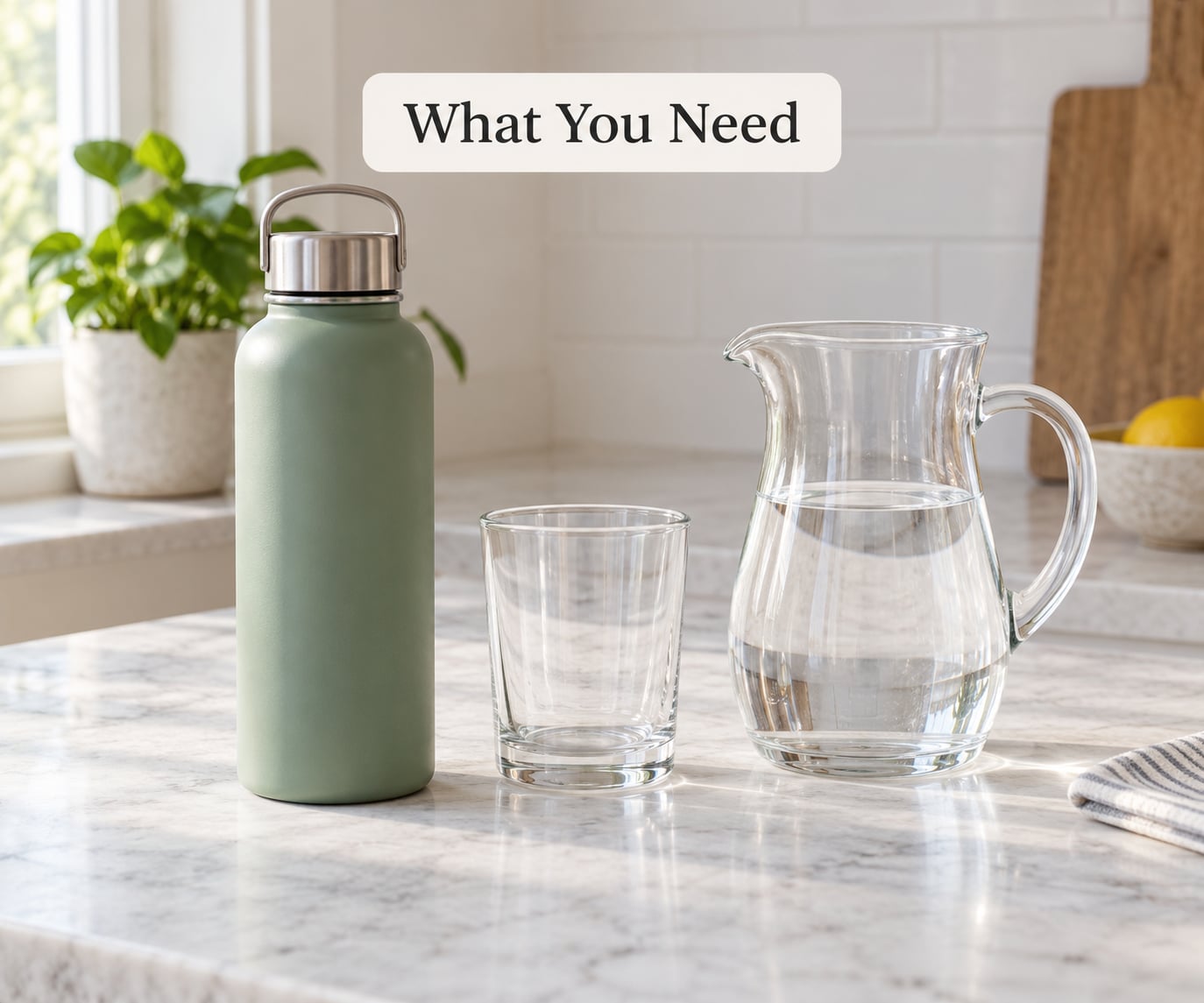
You do not need any equipment at all. You need water and a place to keep it where you will look at it, which is a low bar that trips up a surprising number of people.
Helpful optional items, roughly in order of usefulness:
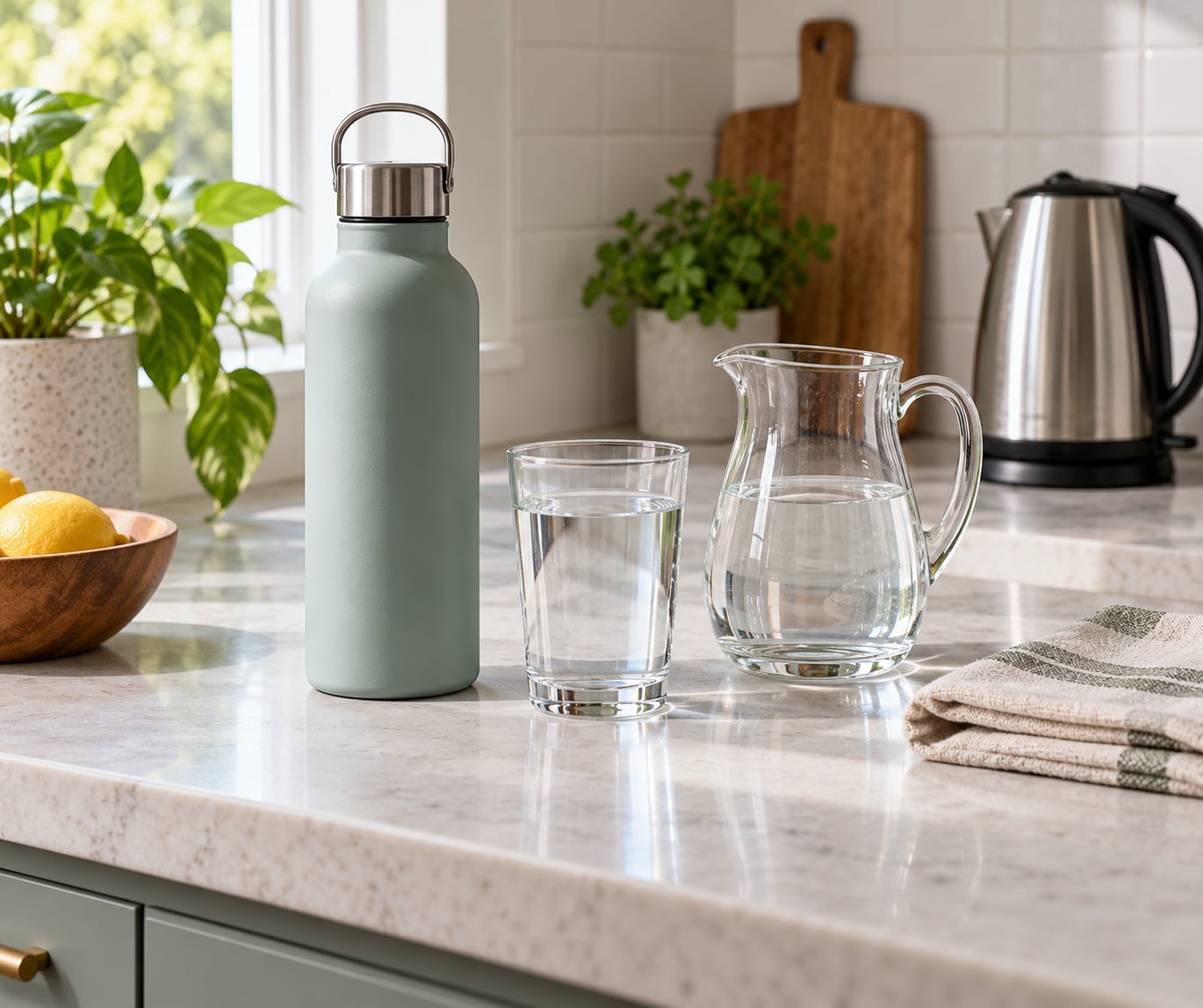
- A reusable bottle you like holding. Weight, mouth size and whether it fits a cup holder decide whether it actually stays with you. A bottle you leave on the kitchen counter is a bottle you never drink from.
- A glass and a pitcher. A pitcher filled in the morning turns drinking into a ten-second task instead of a decision.
- One reminder method. A phone alarm, a time-marked bottle, a sticky note on the monitor, or a water filter pitcher in the fridge. Pick one, not four.
- A marked bottle. Some people write hours on a bottle with a permanent marker, so finishing by noon is visible at a glance. It is low tech and it works.
Adjust the fluid choices to what you actually like drinking, and let your own body’s signals guide the quantity. General guidance and personal needs are not the same thing, so check with a healthcare professional when your situation involves medication, pregnancy, illness or fluid limits.
Step-by-Step: Build a Water-Drinking Routine
The goal is a gradual shift from deliberate effort to automatic behavior. Do not pick a large daily total on day one and chase it with willpower; that approach collapses by day four. Instead, notice what you currently drink, add a few fluid opportunities to the day, and let your real schedule decide where they fit.
Keep Water in Sight
Visibility beats intention. A bottle sitting on your desk gets drunk from because it is there, no decision required. Put one beside the laptop, one near the coffee maker, and one in the car, then choose one of them as the day’s main bottle.
Refills create a rhythm you can actually feel. Most refillable bottles hold somewhere between 16 and 34 ounces, so if you finish one by mid-morning and one by mid-afternoon, that is a natural two-rhythm without counting anything.
Leave a pitcher in the fridge and a glass on the counter. The pitcher only works if it is already full, which means filling it the night before or first thing in the morning while the kettle boils. This is the whole trick behind how to drink more water without thinking about it: the environment does the reminding so you do not have to.
Pair Drinking With Existing Habits
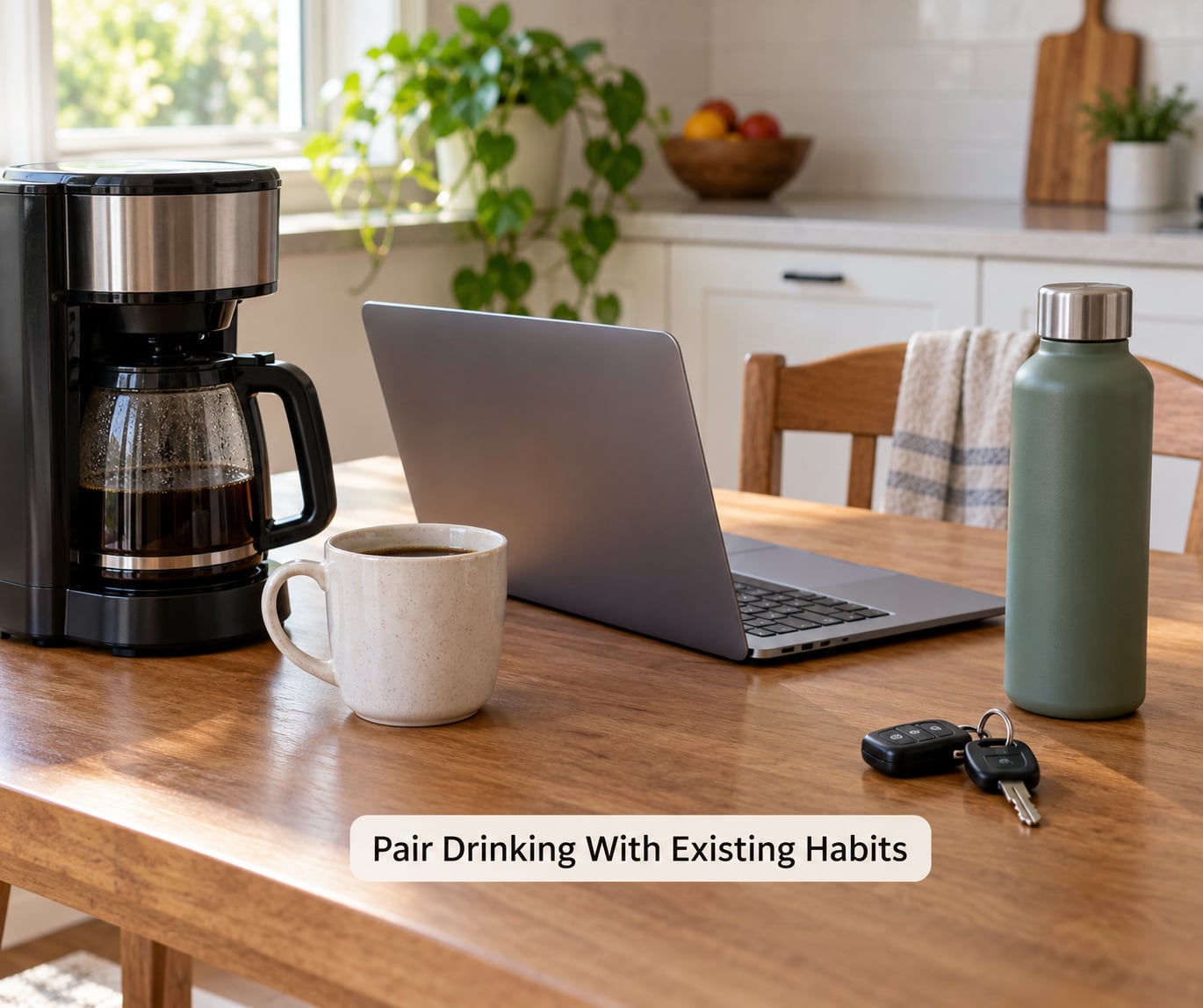
Habit stacking means using an existing routine as the trigger for a new action. Researchers call the specific version of this an implementation intention, and it sounds clinical: when X happens, I do Y. Written that way, it works far better than a vague goal like drink more water, because goals need reminding and cues do not.
Map the water action onto anchors you already hit several times a day:
| Existing habit | Water cue attached to it |
|---|---|
| Waking up | Fill the bottle and drink half of it before the phone |
| Making coffee or tea | Refill the glass while the machine runs |
| Logging in at work | Uncap the bottle on your desk as the screen loads |
| Starting any meeting | Take the first sip as the meeting starts |
| Long work block | Drink at the end of every 25 or 50 minute block |
| Driving or commuting | Bottle in the cup holder, sip at every stop and red light |
| Lunch | Glass of water before you order or sit down |
| Afternoon dip | Refill instead of reaching for a second coffee |
| Getting home | Fill the pitcher and drink a glass straight away |
| Evening screen time | Glass on the arm of the chair |
The reason this works is that the cue is reliable. You already do these things even on bad days, so the water comes along whether or not you feel motivated.
Make Water the Easiest Choice
People give up on hydration when drinking feels effortful. Remove the friction: keep a glass of water cold, since cold water is easier to drink, and use a wide-mouthed bottle that pours without effort. Prepare the pitcher ahead of time rather than filling individual glasses as you go.
A cup you can drink from quickly also helps. Some people like a straw, some like an infuser, some like sparkling water. None of these are necessary, and none of them should be treated as a requirement.
If plain water genuinely tastes bad to you, that is a preference, not a failure. Fruit, a slice of cucumber, a squeeze of citrus or a small amount of sugar-free flavoring all work. Check labels, because many flavored drinks carry added sugar, which is a poor trade for a hydration habit.
Use Gentle Environmental Reminders
A reminder only works while you keep it. Phone alarms with a neutral prompt like drink some water are useful for the first two weeks and usually fade after that, because the brain learns to dismiss the sound without acting. Apps and smart bottles do the same thing with more data behind them, and users on forums often report abandoning them once the logging becomes its own chore.
Physical cues last longer because they never stop being visible. A marked bottle, a sticky note on the monitor, or a glass parked next to the kitchen sink keeps working on day ninety while an alarm does not.
Keep tracking light. A quick glance at bottle levels is enough to catch a bad half of the day. Counting every sip and weighing yourself is where hydration routines turn into a source of worry, and worry is not a good reason to keep drinking.
Add Fluids Across Meals and Breaks
Meals, breaks, walks and transitions are natural drinking moments that already exist in your calendar. A glass before each meal is the easiest one to keep, because meals happen whether or not you planned them.
Other drinks and food count toward fluid intake too. Fruit, vegetables, soups, milk and broth all contribute, and mild drinks such as sparkling water or herbal tea hydrate as well as plain water. Coffee contributes as well, though the diuretic effect people worry about is milder than the reputation suggests at normal amounts.
If you dislike the feel of swallowing water, small and frequent sips work better than large glasses, and drinking with meals can help because the swallow blends with food.
Adjust the Habit to Your Life
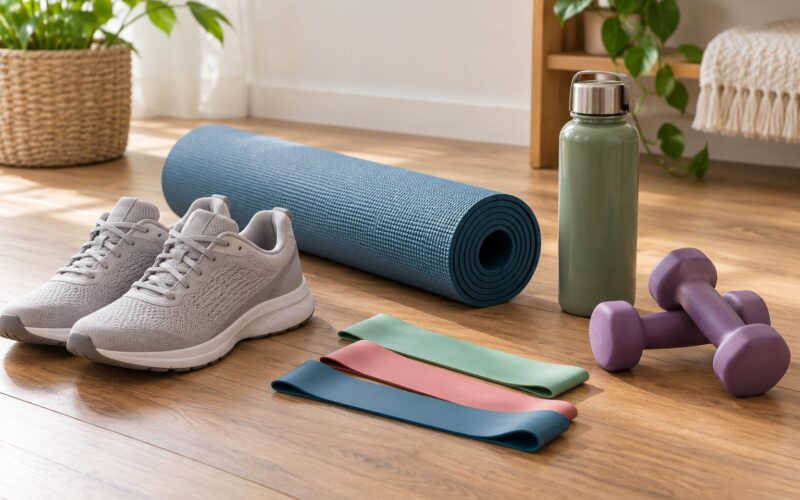
Your routine will shift with weather, workouts, travel, shift work and school runs. In hot weather or during long exercise, fluid needs rise, and the cue system should get tighter rather than looser: keep a bottle on the gym floor, refill before you leave the house instead of after.
On flights and road trips, empty the bottle after security so you can refill it, and drink more than usual during the drive since most people under-drink while behind the wheel. For shift workers, the anchors change to whatever your actual day looks like: the handover, the break room, the drive home.
Individual fluid needs vary a lot with body size, activity, diet, climate and health status. If you have a condition affecting fluid balance, take medication that changes it, are pregnant, or are caring for someone with medical fluid limits, ask a doctor or registered dietitian for guidance specific to you rather than following a generic number.
Common Mistakes and Simple Fixes
Waiting until you feel thirsty. Thirst lags behind what your body needs, and many people, especially older adults, feel it late or not at all. Fix: treat drinking as tied to a time or an event rather than to a feeling.
Forcing yourself to drink something you dislike. White-knuckling a glass you hate rarely lasts a week. Fix: change the delivery instead of the effort. Cold, sparkling, citrus, ice, a straw or a larger bottle all change how the drink feels, and any of them can be swapped out later.
Relying on memory. The most common reason people skip water is that no cue triggers it. Fix: physical cues over digital ones. A bottle on the desk beats an alarm you learn to ignore.
Carrying an inconvenient container. Heavy, leaky or awkward bottles end up in a bag, then on a shelf. Fix: choose the bottle that fits your actual day, including a cup holder and a bag pocket, and accept that refilling from a filter pitcher counts just as well.
Changing everything at once. New bottle, new app, new goal, new schedule. Fix: add one cue per week and let it settle before adding the next.
Chugging to catch up. Drinking a large amount very fast tends to cause bloating and frequent bathroom trips, and it does not hydrate you better than steady sips. Fix: spread fluids across the waking hours rather than saving them for one sitting.
Drinking far more than you need. Consistently very pale or colorless urine, nausea, or headaches after heavy drinking can point to the other problem. Fix: stop chasing a magic number and let urine color, thirst and normal eating guide you, and ask a clinician if anything feels off.
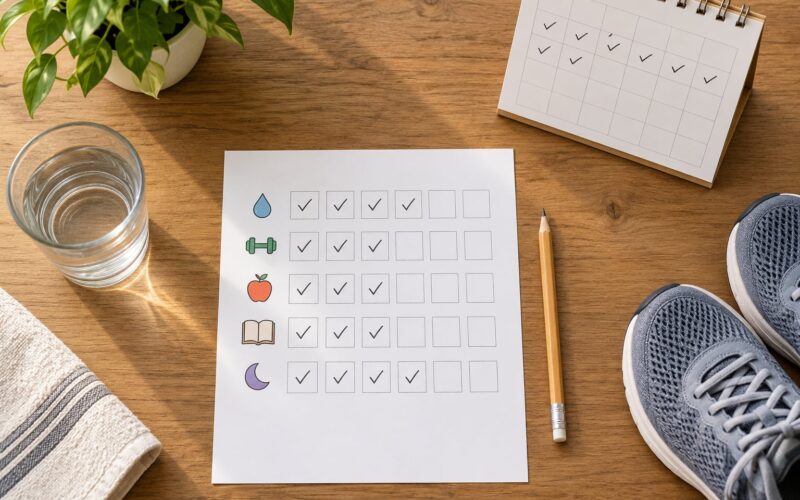
Keeping a perfect streak. A missed day is treated as failure and the whole routine gets dropped. Fix: restart with the next meal instead of waiting for Monday.
How to know if you are drinking enough
Urine color is the quickest self-check you have. It is a rough signal, not a diagnostic, and it changes with supplements, food and certain medicines, but the general pattern holds.
| Urine color | What it usually suggests |
|---|---|
| Clear to almost colorless | You may be drinking more than you need; a very pale look all day is a sign to ease off |
| Pale straw yellow | The usual target range for most adults |
| Dark yellow or amber | Drinking more is probably a good idea right now |
| Brown or very dark, or not improving | Worth checking with a healthcare professional if it persists |
Frequency is the second signal: passing urine roughly every few hours through the day is common among well-hydrated people. Signs that often get ignored include dry mouth, headache in the afternoon, dark urine first thing in the morning, tiredness that lifts after a glass of water, and the urge to urinate that arrives before thirst does.
Frequently Asked Questions
How often should I drink water during the day?
Most health bodies give a range rather than a schedule, and a commonly cited figure from the National Academy of Medicine is about 2.7 liters, or roughly 90 ounces, of fluid a day for women and 3.7 liters, or about 125 ounces, for men. That total includes food and other drinks, not water alone. Spreading fluids across waking hours works better than hitting the number in one sitting.
What if I do not like the taste of plain water?
Change what you are drinking rather than forcing yourself. Very cold water, sparkling water, water with citrus or cucumber, a straw, or a small amount of sugar-free flavoring all help. Many flavored drinks on sale carry added sugar, so check the label and pick an unsweetened option. If water consistently tastes metallic or strange, a filter pitcher handles the taste and improves your odds of drinking it at all.
Do drinks such as tea, coffee, or flavored water count toward hydration?
Yes, mostly. Tea, coffee, sparkling water, milk, broths and sports drinks all contribute fluid, and mild drinks like coffee do hydrate you even though caffeine has a mild diuretic effect at normal amounts. Watch sweetened options: soda, juice and many flavored waters add sugar along with fluid. Plain sparkling water hydrates fine, while club soda and some mineral waters carry added sodium and are a different choice.
How can I remember to drink water when I am busy or traveling?
Bring the cue with you instead of relying on recall. Keep a filled bottle in your bag or car cup holder, and pair it with an anchor you already have: the commute, the first meeting, the drive home. On flights, fill the bottle after security and sip through the boarding and the flight. If reminders are needed, use a short phone alarm until the bottle itself becomes the cue.
Can I drink too much water if I am trying to increase my intake?
Yes, and it is more common than people expect when they try to catch up. Very large amounts in a short time can dilute sodium in the blood, and it may cause headache, nausea, confusion or swelling. Steady sips across the day are safer than chugging. Persistent clear urine all day, nausea or headaches after heavy drinking are reasons to drink less and talk to a clinician.
When should I ask a healthcare professional about hydration?
Ask when you have a heart, kidney or liver condition, follow a fluid restriction, take medication that affects fluid balance, are pregnant, or are caring for a person with medical fluid limits. It is also worth a call if you are thirsty constantly, or if urine stays dark or changes color repeatedly. A registered dietitian can also help you work out a realistic intake for your body, activity level and climate.
Start With One Visible Cue
Do one thing this week: put a filled bottle somewhere you look every day, and bind one drink to one habit you already keep. The first coffee, the start of lunch, the drive home. That is the whole setup, and it takes about five minutes.
Then add a second cue next week, not the same week. You are learning how to drink more water without thinking about it, and the goal is a routine that flexes with heat, travel and busy days rather than a quota you have to defend. On most days you will stop noticing it, which is exactly the point.