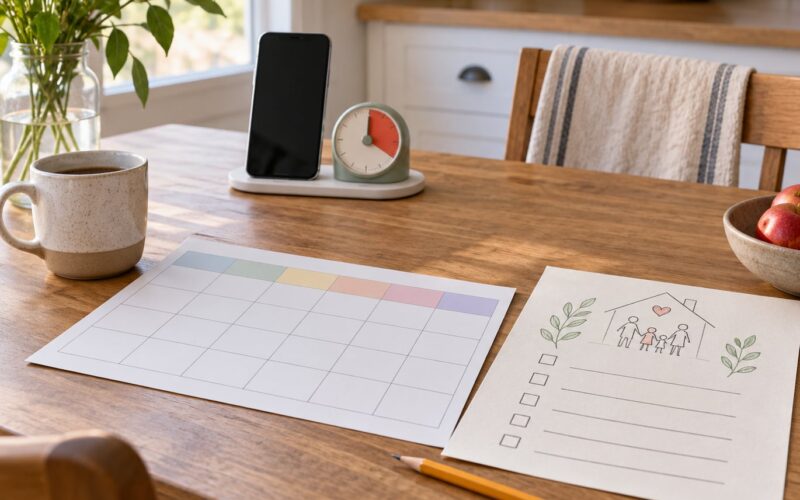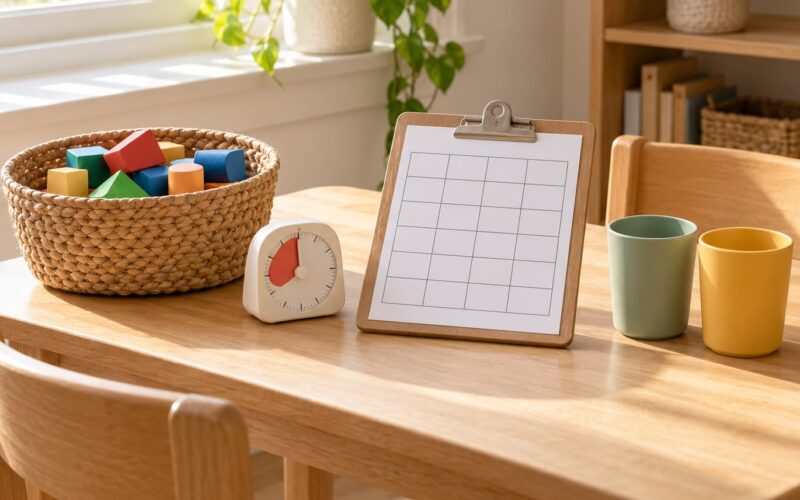
To build a reading habit as an adult, you need less than most people assume: one book you actually want to read, ten minutes you protect on a schedule you already keep, and a way to mark the session done. Ten minutes a day adds up to roughly 3,650 pages a year, which is about 12 to 15 books — a number that ordinary readers quote to each other constantly, because it turns a vague goal into a visible one.
I stopped reading for the better part of a decade. What brought it back wasn’t discipline or a dramatic schedule overhaul; it was a paperback I liked enough to open twice in one evening, and a habit of reading while the coffee brewed. The routine took about a minute to set up and it has survived three moves, two jobs, and a bad year.
Most advice about this is aimed at people who already read. This is for adults who haven’t finished a book in months, feel behind on everything, and assume the problem is a lack of time. Sometimes it is. Often it’s a series of small frictions that can each be removed on their own.
Table of Contents
- What You Need to Build a Reading Habit as an Adult
- Step-by-Step: Make Reading Easier to Repeat
- 1. Decide Why You Want to Read More
- 2. Replace Difficulty With Ease of Choice
- 3. Schedule a Small Reading Window
- 4. Remove the Steps That Make Reading Friction
- 5. Keep the Chain Small and Visible
- 6. Gradually Increase Reading Time or Book Challenge
- Common Mistakes That Break a Reading Habit
- Frequently Asked Questions
- How much time should an adult read each day to build a habit?
- What if I stop reading for several days?
- Do audiobooks and ebooks count as reading?
- How do I choose a book I will actually finish?
- How can I read more when I am always busy?
- When should I increase my reading goals?
- Start With One Small Reading Session
What You Need to Build a Reading Habit as an Adult
You need four things, and none of them is a major life change.
A book you have chosen on purpose, rather than one you’re finishing because you started it. Access to more books after that one, which for most adults means a library card — free, and with interlibrary loan if your first choice is waiting on a hold list. A time slot that is already spoken for, so reading inherits an existing routine instead of competing with a blank evening. And a tracking method, however crude: a calendar, a notes file, a page count written at the top of a chapter.
If you’re wondering whether you need to buy an e-reader, buy a reading light, or clear an hour every night, the honest answer is no. A free library app on the phone you already own handles ebooks and audiobooks just fine, and a lamp on a kitchen chair will carry you through most of the first month.
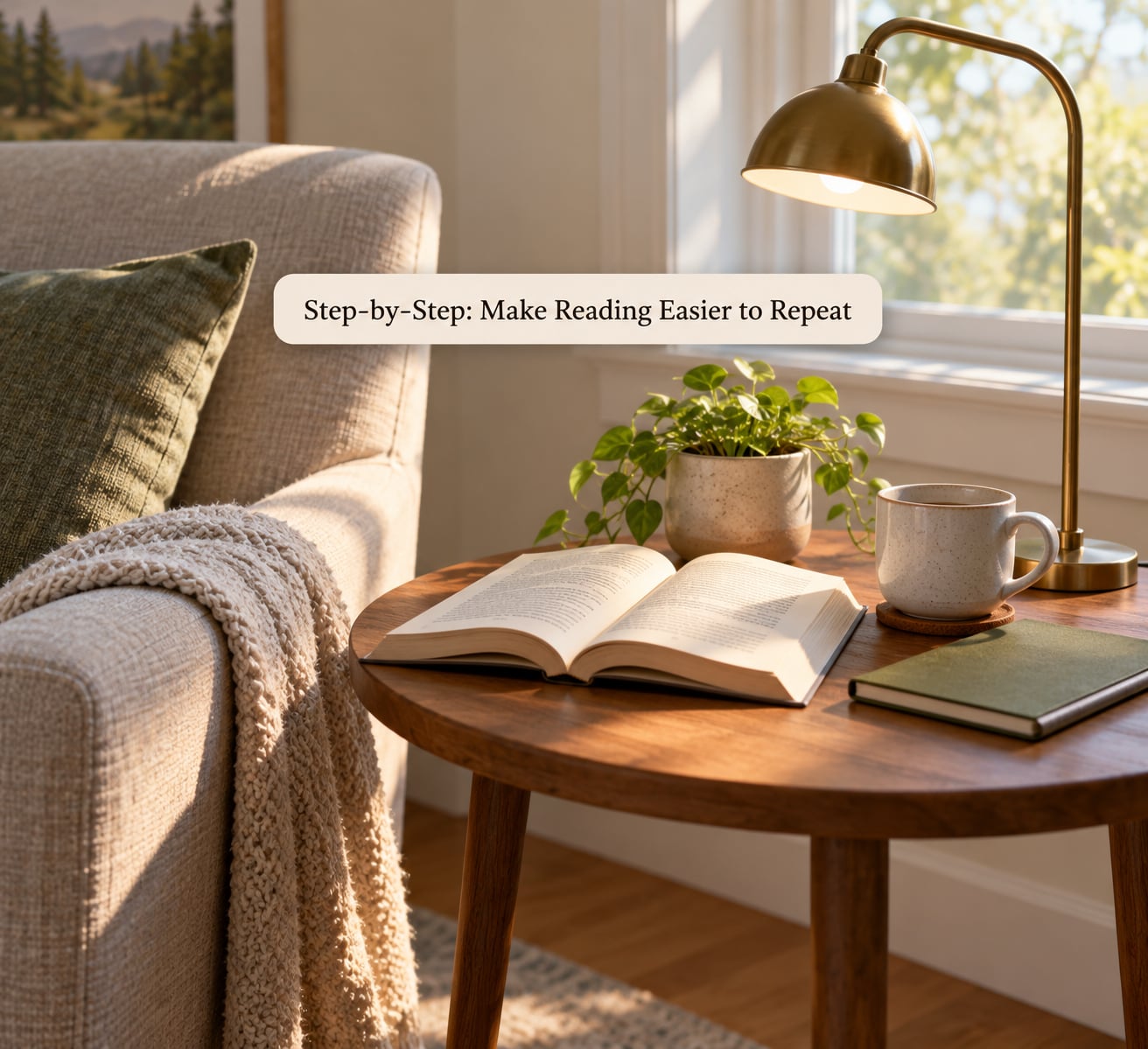
Step-by-Step: Make Reading Easier to Repeat
The plan below changes one variable at a time. Each step is small enough to do today, and each one is aimed at the same thing: making the next session easier to start than the last one was.
1. Decide Why You Want to Read More
A reason that survives a bad week is specific. “Read more” is not a reason; it has no picture attached and no way to tell if it happened. “Be able to talk about my kid’s reading without guessing” is a reason. So is falling asleep without a phone, learning enough history to argue with my brother-in-law, or getting through the pile on the nightstand that has been migrating for three years.
Turn it into a weekly outcome you could describe to someone else. Learning-oriented: two chapters of a history book a week. Relaxation: four evenings a week, ten minutes, fiction only. Belonging: one book club meeting a month, which forces the reading.
You’ll know the first session worked if you finish it and don’t dread the next one. That feeling — mild reluctance on the following morning rather than relief — is the earliest honest signal, and it’s worth more than any streak counter.
2. Replace Difficulty With Ease of Choice
Pick books that match the attention you have today, not the attention you wish you had. A dense chapter on your commute and a pulpy thriller in bed are both legitimate; the mistake is pretending you’ll do both in the same week.
Keep two or three options waiting at all times. Two currently-reading books plus one for the next five minutes removes the daily decision, and the daily decision is where a lot of habits quietly die. Write the three titles on a sticky note on the front cover of whatever you’re reading, so the choices exist outside your head.
Choosing in under a minute is the whole point. A reader on a reading forum described the fastest way back into books as keeping the next choice obvious and the current one easy, and that framing held up better for me than any of the more disciplined systems I tried.
3. Schedule a Small Reading Window
Set a minimum of five to ten minutes and attach it to something you already do. After breakfast, in the parking lot before work, in bed while the house settles down. The cue matters more than the clock time; the same ten minutes in the same place every day is what turns an act of intention into a reflex.
Use a timer so nothing depends on how you feel about stopping. Put the phone in another room, not face down beside you — research on attention residue is fairly consistent that a merely nearby phone costs more than a far one.
Count success in minutes or pages read, never in chapters finished. Ten pages is a legitimate day. If the timer rings and you’ve read four pages because the sentences were hard, you did the habit; the hard sentence is the part that counts, honestly.
4. Remove the Steps That Make Reading Friction
Prepare the book before the session, not during it. Open it. Slip the bookmark to the last page you read. Set the thing you need to check — dictionary, notes app, phone with the first aid chapter. Lay it on the chair, the pillow, the passenger seat.
Here’s a concrete version: Sunday evening, put the book on the kitchen chair, open it to the right page, and leave a pen on top. Monday morning, you sit down and read with nothing to do but read. That is the entire setup.
Library access is part of removing friction too. Finishing a book should leave you with a reason to walk into the library again, so try to be a few pages from done when you have to return it. A hold wait is a good reason to try something new, and a bad reason to stop.
5. Keep the Chain Small and Visible
Record each session. A mark in a calendar, a page count in a note, a tick in a habit app — the format doesn’t matter, the visibility does. The chain is a record of what happened, not a score.
A printable-style weekly log looks like this:
- Monday — 12 pages, 9 minutes
- Tuesday — missed, no entry
- Wednesday — 8 pages, 10 minutes
- Thursday — 15 pages
- Friday — 5 pages, kitchen chair, 7 minutes
- Weekend — one audio chapter on a walk, 32 pages equivalent
Review it once a week, briefly, and look for patterns rather than failures. You might notice that mornings work far better than evenings, or that the weeks you read at the same time every day hold together much better. That’s useful information. How many sessions it takes to stop thinking about it is the real measure of the habit, and a weekly review is a good place to notice when that has happened.
One warning. The most common way a habit dies is a broken streak treated as proof of failure. Someone on a reading forum described losing a 200-day run right after starting a new book, and the demoralization was the real damage — not the run itself. A missed day is a data point. A second one is where habits actually end.
6. Gradually Increase Reading Time or Book Challenge
Only expand once the current version is boringly reliable. Two or three solid weeks of five to ten minutes is a fair signal. Then add one change at a time.
Add five minutes. Or keep the time and add a second session, usually a short one at lunch or a commute. Or hold both steady and pick a book slightly longer or slightly harder than what you’re reading now — a 400-pager instead of a 280-pager, or a second book on the go once your current one is done. That last one keeps the “one chapter a day” idea alive for people whose attention varies day to day.
There’s no prize for doubling. If ten minutes holds for a year, that year contained about 3,650 pages and a dozen books you actually remember. Treat an ambitious stretch as a trial, not a new baseline; if it collapses after four days, go back to what worked and change something else next month.
Common Mistakes That Break a Reading Habit
Choosing books that feel like homework. If you’re picking titles because they’re respectable rather than because you want to hear what happens, start somewhere else this time. “Should” reading is a fine hobby for a specific week, not a foundation.
Setting page goals that only work on a good day. A target you hit twice out of seven teaches you to expect failure. Set the floor at what you can do on your worst day, then let good days surprise you.
Treating a missed session as the end. This is the big one. The rule that works is simple: never miss twice. One skipped day is noise, and the whole point of a small minimum is that it survives ordinary life — sick kids, bad news, a late flight.
Waiting for a big block of free time. An hour twice a week is a fine goal, but it’s also the goal most people abandon in week three. Ten minutes daily is the smaller target that usually survives longer, and it’s the better way to get your attention back in the first place.
Counting unread books as failures. The pile of half-read books is evidence of curiosity, not failure. Some readers use a stopping rule — the 50-page rule, where you quit anything that hasn’t hooked you by page 50 — precisely so the pile stops feeling like an accusation. A related one is the three-book rule: if three books in a row leave you flat, something about your taste or your mood is off, and it’s worth trying a different genre or format rather than pushing harder.
Relying on motivation. Motivation is what you have in week one. Everything after that is a cue, a small target, and a visible record. Plan for the version of you who is tired.
Two more habits that help: a physical place, even if it’s one chair, and a short weekly check-in with another person — a book club, a friend, a family group chat where you report pages read. Accountability is not about pressure. It’s just harder to quietly stop when someone is expecting a message from you on Sunday.
Frequently Asked Questions
How much time should an adult read each day to build a habit?
Ten minutes or ten pages a day is the standard that works for most adults starting out. It is small enough to survive a bad week, which matters more than it sounds. At that rate you cover roughly 3,650 pages a year, about 12 to 15 books. Consistency at a small size builds the routine first; you can raise the number once the routine is boringly automatic.
What if I stop reading for several days?
Read one page today and resume at your minimum. A multi-day gap is a lapse, not a failure, and the evidence people share from their own logs is that one missed day barely registers while two in a row is where habits end. Never miss twice is the whole rule. Do not restart from a bigger goal, and do not wait until next Monday.
Do audiobooks and ebooks count as reading?
For habit purposes, count them, and it is worth deciding in advance so the question stops eating your attention. Audiobooks are the fastest way in for adults who cannot focus on print, and several readers report pairing an audiobook with the print copy at the same time to stay anchored. Ereaders simply remove the friction of carrying a book. If the format is what gets you reading daily, it is reading.
How do I choose a book I will actually finish?
Match the book to the attention you have, not the one you wish you had, and use a stopping rule so bad choices cost you little. The 50-page rule means quitting anything that has not engaged you by page 50. A looser version: if you have reread the same paragraph three times without moving, set the book aside. Finish the one that pulls you forward, not the one that feels impressive.
How can I read more when I am always busy?
Attach reading to something you already do rather than adding a block of new time: the coffee, the commute, the ten minutes before the house wakes up. Keep the book where that moment happens, so nothing has to be fetched or set up. Short and frequent beats long and rare for most adults, and a busy week is a good week to lower the target rather than skip it.
When should I increase my reading goals?
After two or three weeks where the current minimum happens without you deciding whether to do it. Then change one variable: add five minutes, add a second short session, or pick a book slightly longer than your current one. Hold the new number for a few weeks before raising it again. If the increase collapses within days, go back to the level that held, because the habit matters more than the number.
Start With One Small Reading Session
Pick one book you would genuinely be sad to not finish, put it where you drink your morning coffee, and read ten minutes tomorrow. Mark the session however you mark things, then do it again the next day.
That is the whole method for how to build a reading habit as an adult: a small target, a fixed cue, a visible record, and permission to drop a book that isn’t working. What keeps the habit alive isn’t the number of books you finish — it’s the number of days you didn’t decide not to read. Set the floor low enough that you clear it on your worst day, and let the volume follow on its own.